
When All Else Fails, Go to the Water: The Science of blue mind
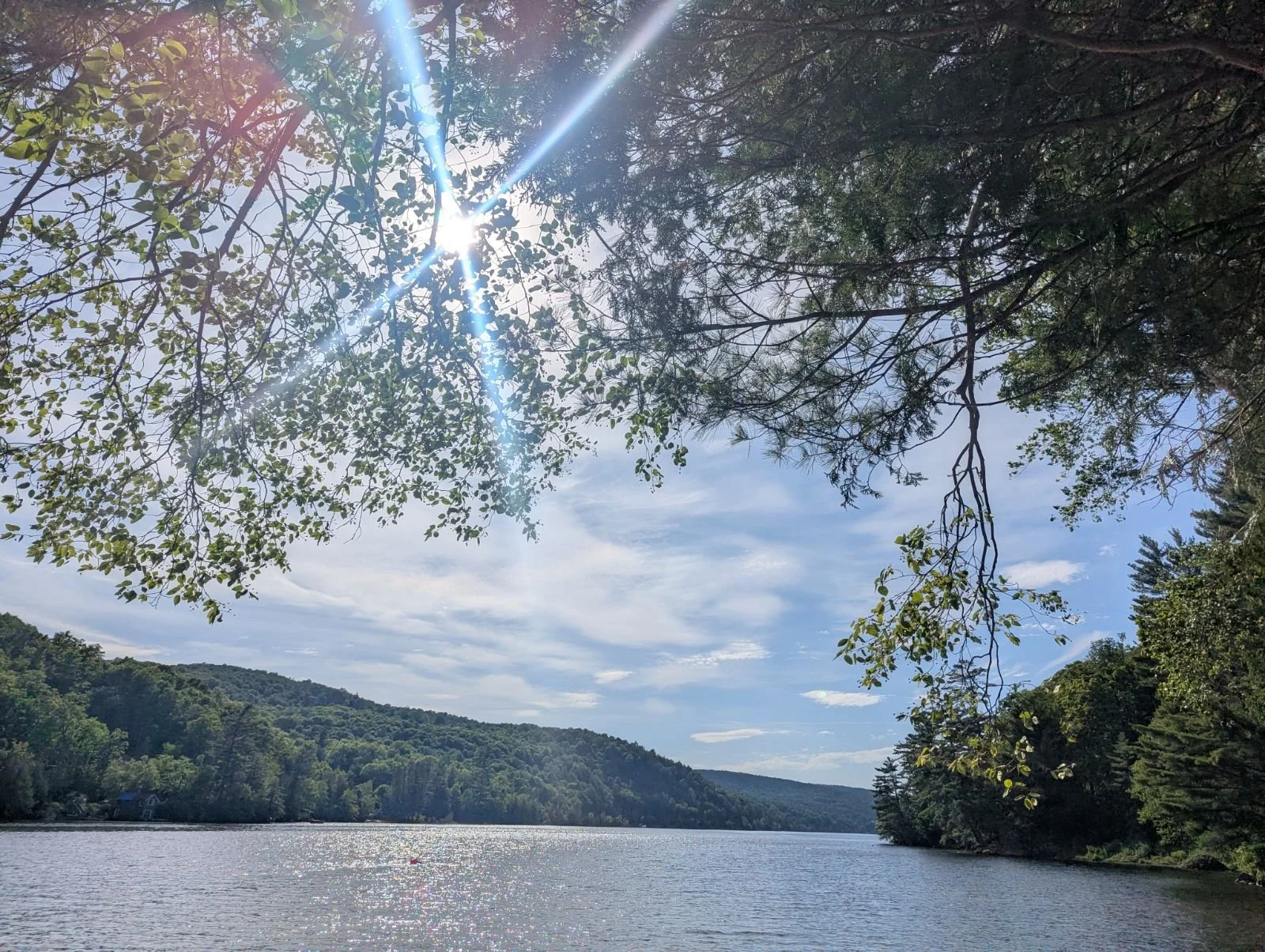
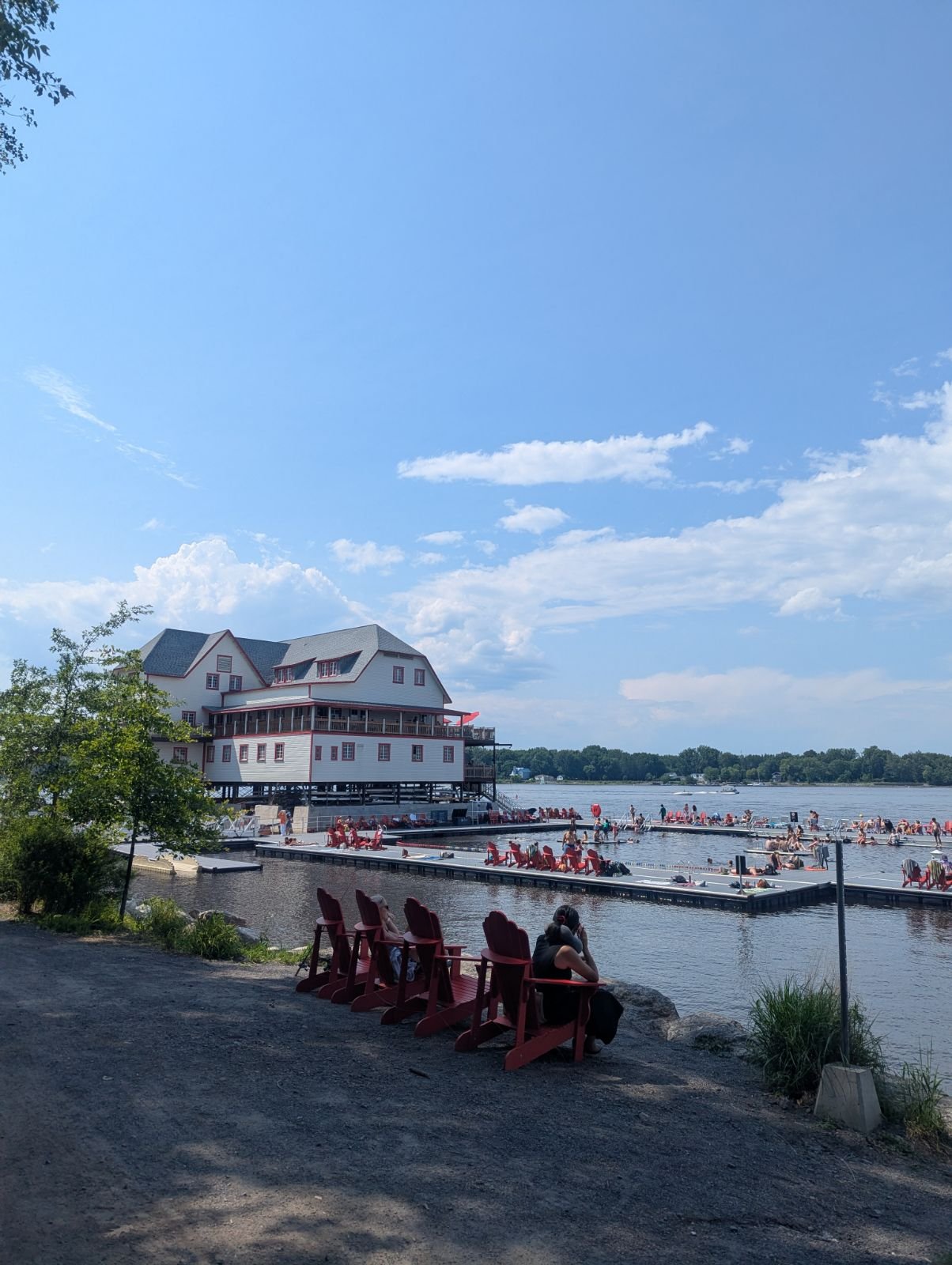
Note. Soaking in the sunshine and connecting to Blue Mind at Meech Lake in Gatineau Park.
We live on a blue planet.
Nearly 71% of the Earth's surface is covered in water, and perhaps that's no coincidence. Humans have long been drawn to lakes, rivers, oceans, waterfalls, and streams. Our attraction to water is not just for survival, but because something about water makes us feel better.
You may have heard of ecotherapy, the growing field of research that explores how spending time in nature supports our mental and physical wellbeing. Research over the past several decades has shown that nature can reduce stress, improve mood, restore attention, and even enhance our immune system.
What if nature becomes even more restorative when water is nearby?
Whether it's the rhythmic waves of a lake, the gentle flow of a river, the steady sound of rainfall, or simply sitting beside a quiet pond, water has a remarkable ability to soothe our nervous system. Researchers often refer to these benefits as Blue Health, i.e., the positive effects that being near, in, on, or under water can have on our health and well-being.
When we're near water, our senses naturally awaken. We notice the sparkle of sunlight dancing across the surface, the sound of waves meeting the shore, the breeze against our skin, and the cool sensation of water surrounding our body. Without trying, we're gently pulled into the present moment.

My Relationship With Water
What's your relationship with water?
Who first introduced you to your favourite lake, river, or beach?
For me, it was endless summer days spent swimming in the lake at my grandparents’ cottage. It became my place of refuge. It was a place where life felt simpler. Whenever the world felt overwhelming or chaotic, I somehow knew that the water would help me find my way back to myself.
Looking back, I realize I wasn't just going swimming. Water has always been where I feel most like myself. It’s a place of freedom, where I feel free to move, and free to exist in my body without judgment. Somehow the expectations of the world drifted away, leaving space for a deeply needed quietude. Water has always been the place that effortlessly nudged my mind to daydream and imagine all the beautiful and magical ways my life could unfold.
Did you imagine you were a mermaid, too?
Water invites us into experiences that can be difficult to find elsewhere. We surrender to its buoyancy and experience the feeling of weightlessness. We move with its currents rather than against them. Our minds begin to wander in healthy, creative ways. We become present.
Research suggests that spending time near or immersed in water can lower physiological stress while promoting feelings of calm and well-being. Cold water immersion, in particular, may stimulate the vagus nerve and activate the parasympathetic nervous system—our body's natural "rest and restore" response.
This deeply relaxed state is what marine biologist Dr. Wallace J. Nichols famously calls Blue Mind.

What Is Blue Mind?
In his book Blue Mind, Dr. Nichols describes Blue Mind as:
"A mildly meditative state characterized by calm, peacefulness, unity, and a sense of general happiness and satisfaction with life inspired by water."
Blue Mind stands in contrast to what he calls Red Mind, the overstimulated state many of us know all too well. Red Mind is characterized by stress, urgency, fear, frustration, and constant mental activity. It's the physiological fight-or-flight response that keeps us alert when facing challenges.
Modern life makes it easy to stay in Red Mind.
We wake up to notifications, scroll through social media, rush through our mornings, juggle responsibilities, respond to emails, navigate traffic, and move from one task to the next with very little space to simply be.
No wonder so many of us feel exhausted.
Water offers us an invitation to step out of Red Mind and into Blue Mind. It nudges us to pause, breathe deeply, and allow our nervous system to soften.
The Benefits of Blue Mind
Spending time near water supports our health in countless ways.
Research has linked blue spaces with lower stress, improved mood, better sleep, increased physical activity, enhanced attention, and reductions in symptoms of anxiety, depression, and post-traumatic stress. Many people also report feeling more creative, compassionate, hopeful, and connected after spending time near water.
One reason may be the concept of soft fascination as explained by the Attention Restoration Theory.
Unlike the constant stimulation of our phones and busy environments, water gently captures our attention without demanding it. Watching waves roll in or listening to moving water gives our brains permission to rest. The prefrontal cortex (the part of the brain responsible for planning, decision-making, and problem-solving) gets a chance to recover.
Sometimes the most productive thing we can do is simply sit by the water.
Water also reminds us that we are part of something much bigger than ourselves.
It encourages us to slow down.
To breathe.
To move with greater ease.
To simply exist.
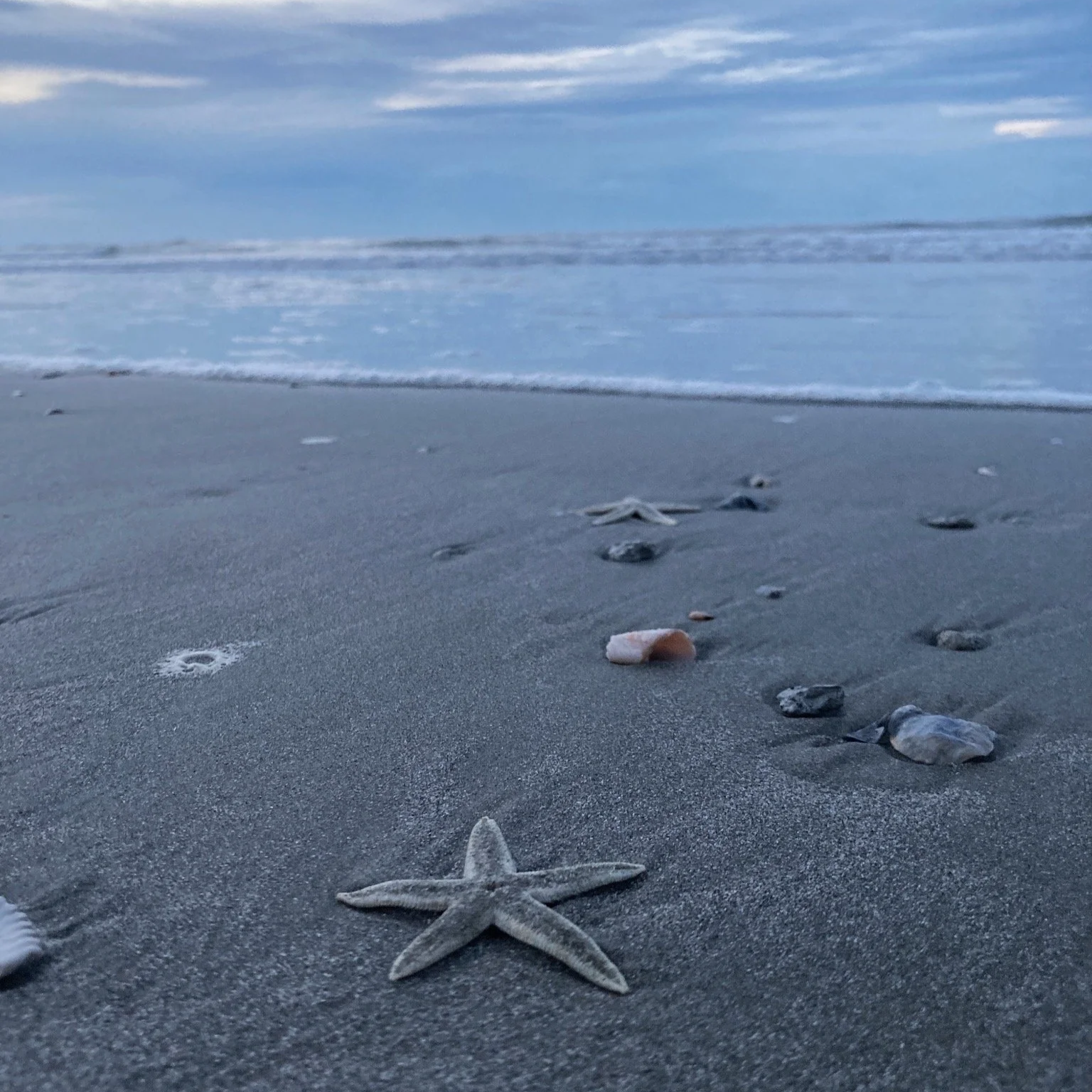
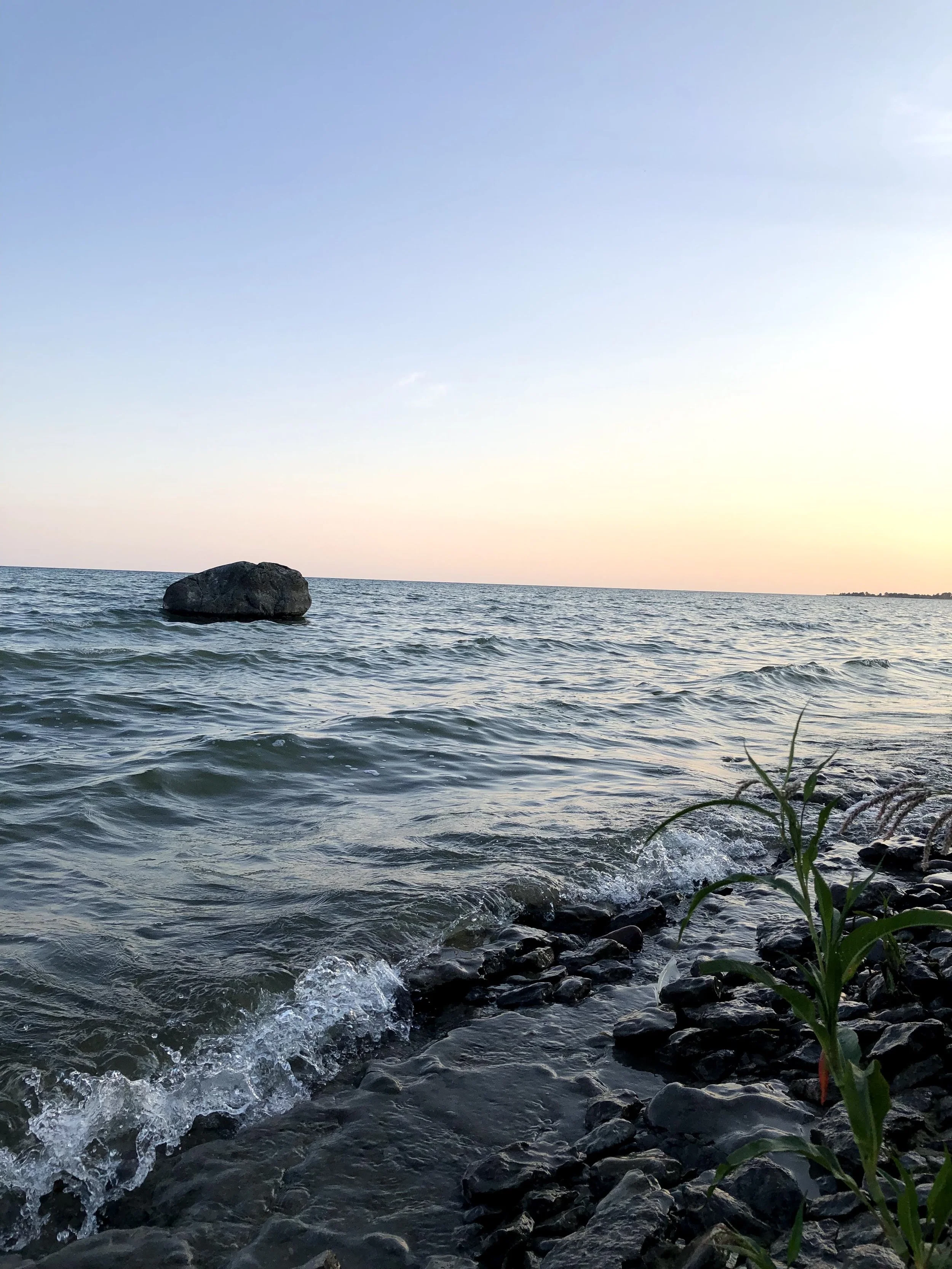
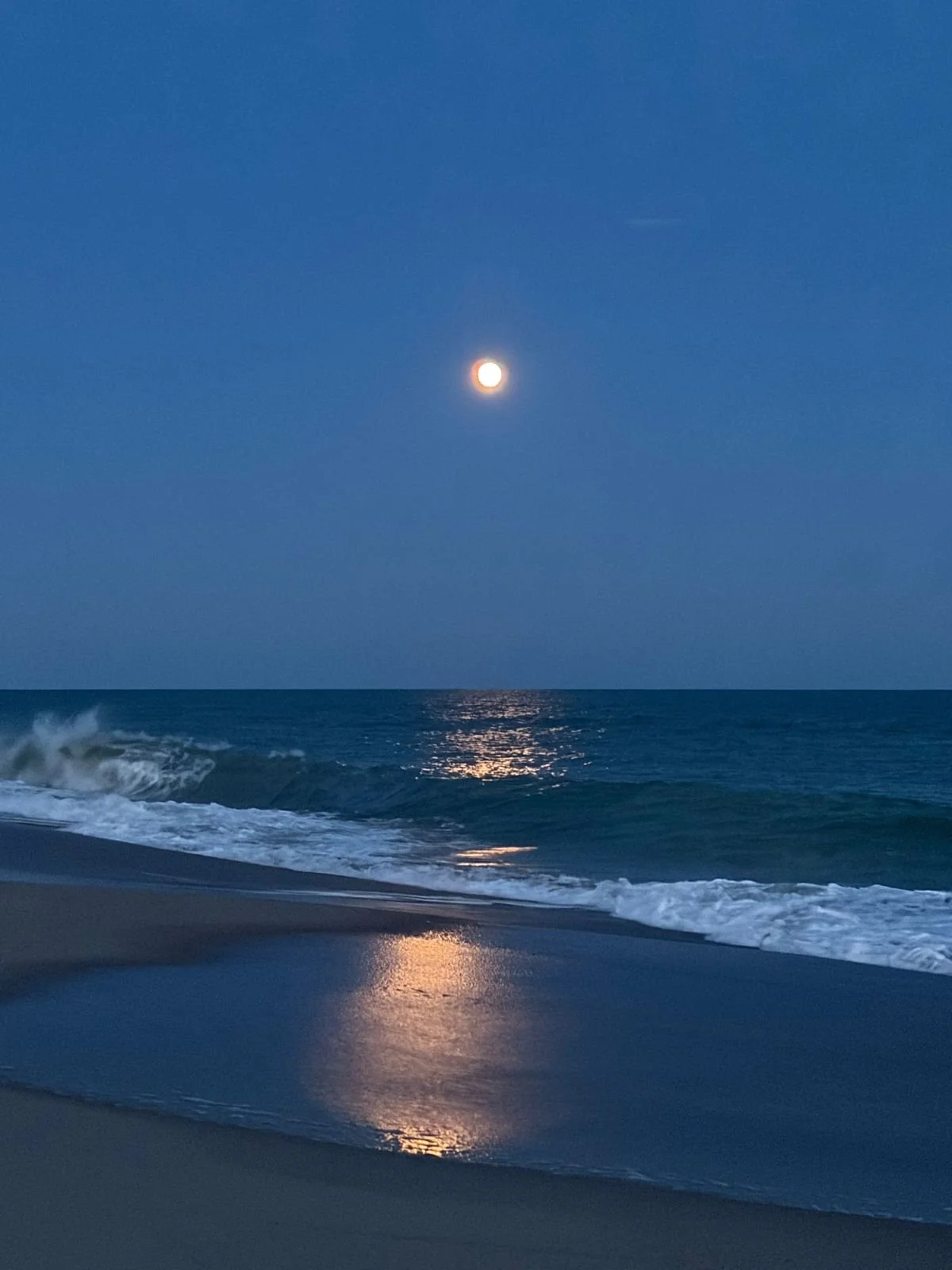
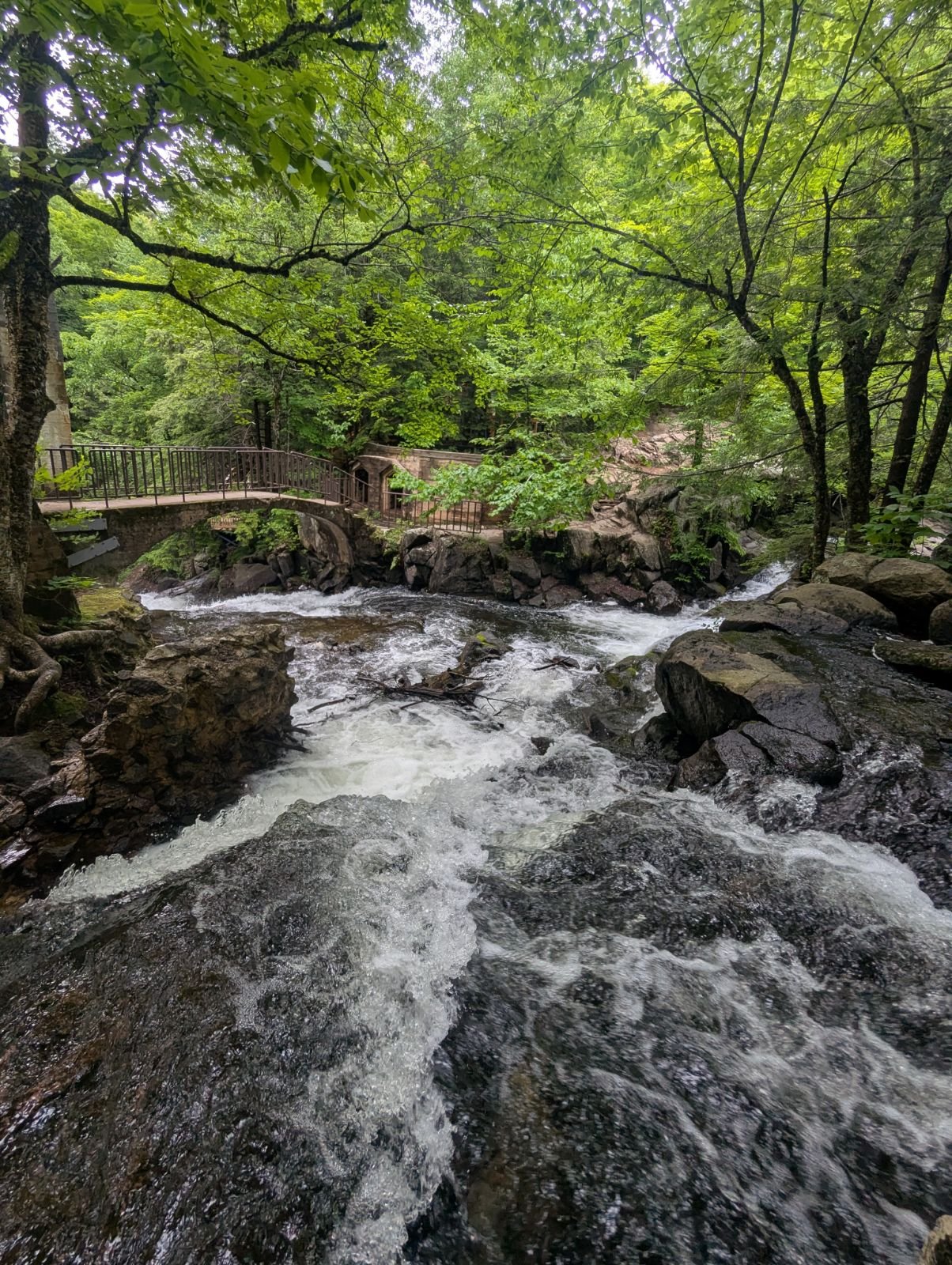
Finding Blue Mind in Ottawa
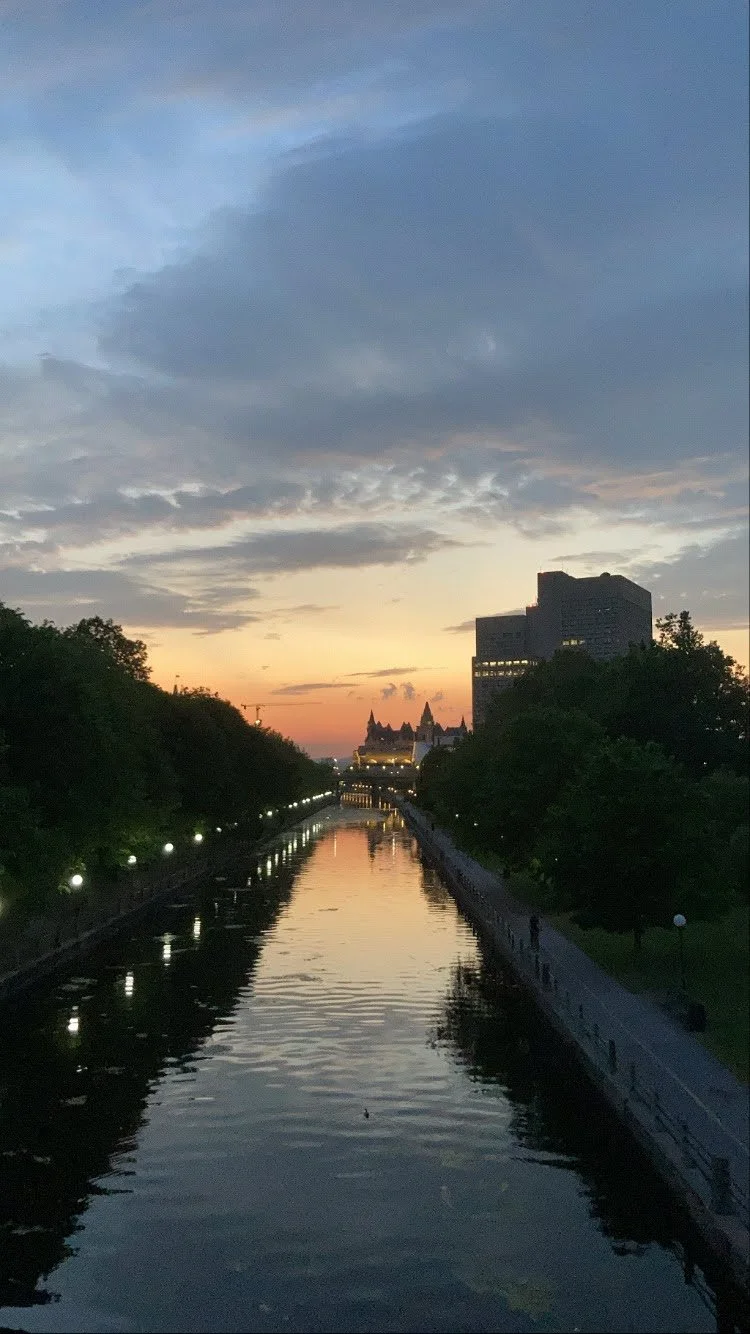
One of the beautiful things about living in Ottawa is that we're surrounded by water.
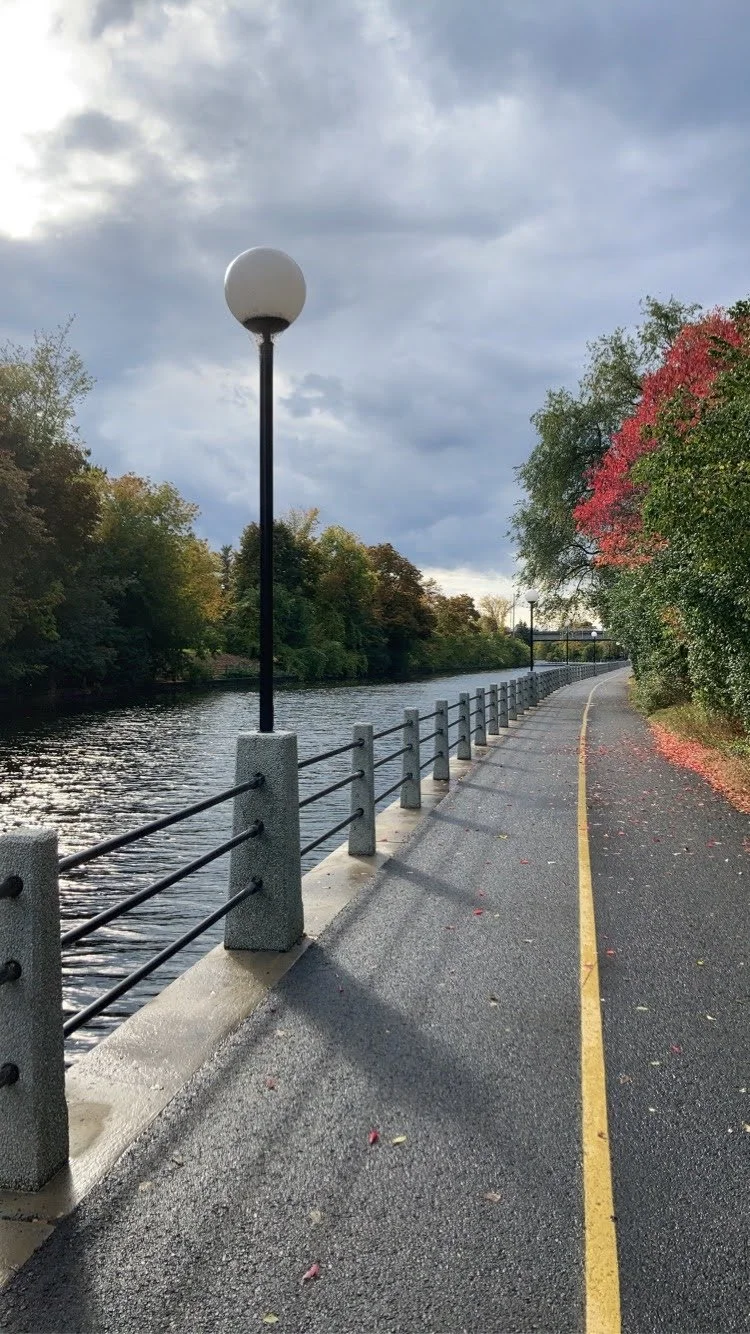
You might spend an afternoon at Britannia Beach, walk along the Rideau Canal, watch the rushing water at Hog's Back Falls, swim at the NCC River House, or simply sit beside the Ottawa River and watch it flow by. Gatineau Park also offers plenty of options for swimming and water sports.
Even if you don't have time for a day at the beach, opportunities to connect with water exist throughout your day.
Water truly is all around us.
Did you know? The tap water flowing through your shower comes from the Ottawa River, known to the Algonquin Anishinaabe as Kitchissippi, or the Great River. The next time you shower, why not pause for a moment. Connect to the river. Feel the river on your skin. Imagine its journey before it reached you.
Sometimes a few mindful minutes are enough to shift your nervous system out of Red Mind, and into your Blue Mind.
What If I Can't Get to the Water?
Not a problem! Water exists in many forms.
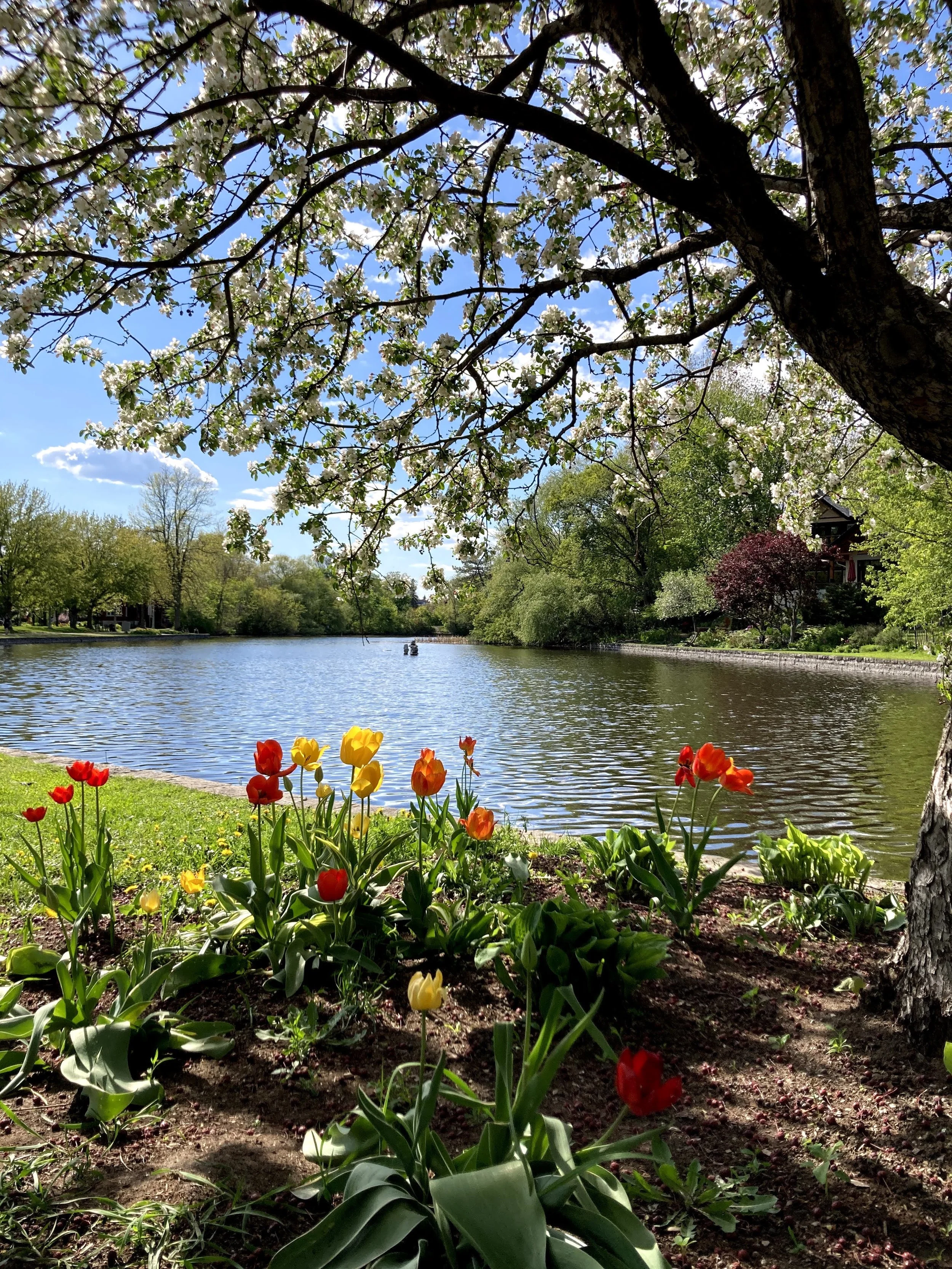
Wild water: lakes, rivers, oceans, rainstorms, waterfalls, fog, snow, and clouds
Domesticated water: water in our homes as we shower, wash dishes, or brew a cup of tea
Virtual water: photographs, films, recordings, artwork, poetry, and music
Imaginary water: meditations or visualizations of water can evoke feelings of calm
Water as metaphor: in our everyday language, e.g., go with the flow, water under the bridge, drowning in work, treading water, etc.
Embodied water: The water within us, as roughly 60% of the human body is made of water. In many ways, we carry water with us wherever we go.
The more intentionally we notice our relationship with water, the more easily we can access the calm, spaciousness, and perspective that Blue Mind offers.
A Simple Invitation
Many of my clients ask how they can quiet anxious thoughts, recover from burnout, or simply feel like themselves again. There are many paths toward healing, and therapy is certainly one of them. But sometimes the first step is surprisingly simple.
Go to the water.
Take a walk along the river. Sit on a dock. Swim in a lake. Float. Paddle a canoe or kayak. Try stand-up paddleboarding. Listen to the rain from your porch. Watch the sunset over the water.
This summer, perhaps your self-care doesn't need to be more complicated. Perhaps it simply needs to be bluer.
Cultivating a reciprocal relationship with water doesn't require an ocean or an expensive vacation. It simply requires your attention, and your appreciation. Greet it as you would an old friend. Thank it for the moments of peace it offers. Allow yourself to receive its quiet medicine.
When all else fails, go to the water.
Maybe what you are searching for isn’t a solution at all, but a quiet place to return to yourself.
where to go from here?
When life feels overwhelming or you've lost touch with yourself, therapy can offer a place to slow down, reflect, and gently reconnect with yourself. At Cup of Tea Psychotherapy, we provide an intentional space to support you in navigating the demands of the outside world while turning inward to cultivate greater clarity, self-understanding, and compassion.
If you’re curious about how therapy can support your journey toward feeling more grounded, connected, and aligned with yourself, we invite you to reach out.
You can also explore more about the connection between water and well-being through our World Blue Mind Day post on Instagram. Follow along at @cupofteapsychotherapy as we continue sharing reflections and resources that support connection and well-being.
—Blog post written by Chantal Riel, Registered Psychotherapist and founder of Cup of Tea Psychotherapy



About Chantal
Chantal Riel is a Registered Psychotherapist, Clinical Director, Clinical Supervisor, and founder of Cup of Tea Psychotherapy. She works with adults navigating a broad range of life challenges, from everyday stressors to more complex life experiences, providing holistic, evidence-based, and trauma-informed care. Chantal supports her clients in cultivating an embodied, kind, and compassionate relationship with themselves and the world around them. Her approach is collaborative, creating a therapy space where clients are welcomed as their authentic, whole selves. She also thoughtfully integrates cultural and spiritual or religious dimensions into therapy when they are meaningful to the journey of her clients.

References
Nichols, W. J. (2024). Blue mind: The surprising science that shows how being near, in, on, or under water can make you happier, healthier, more connected, and better at what you do (10th ed.). Little, Brown And Company.