
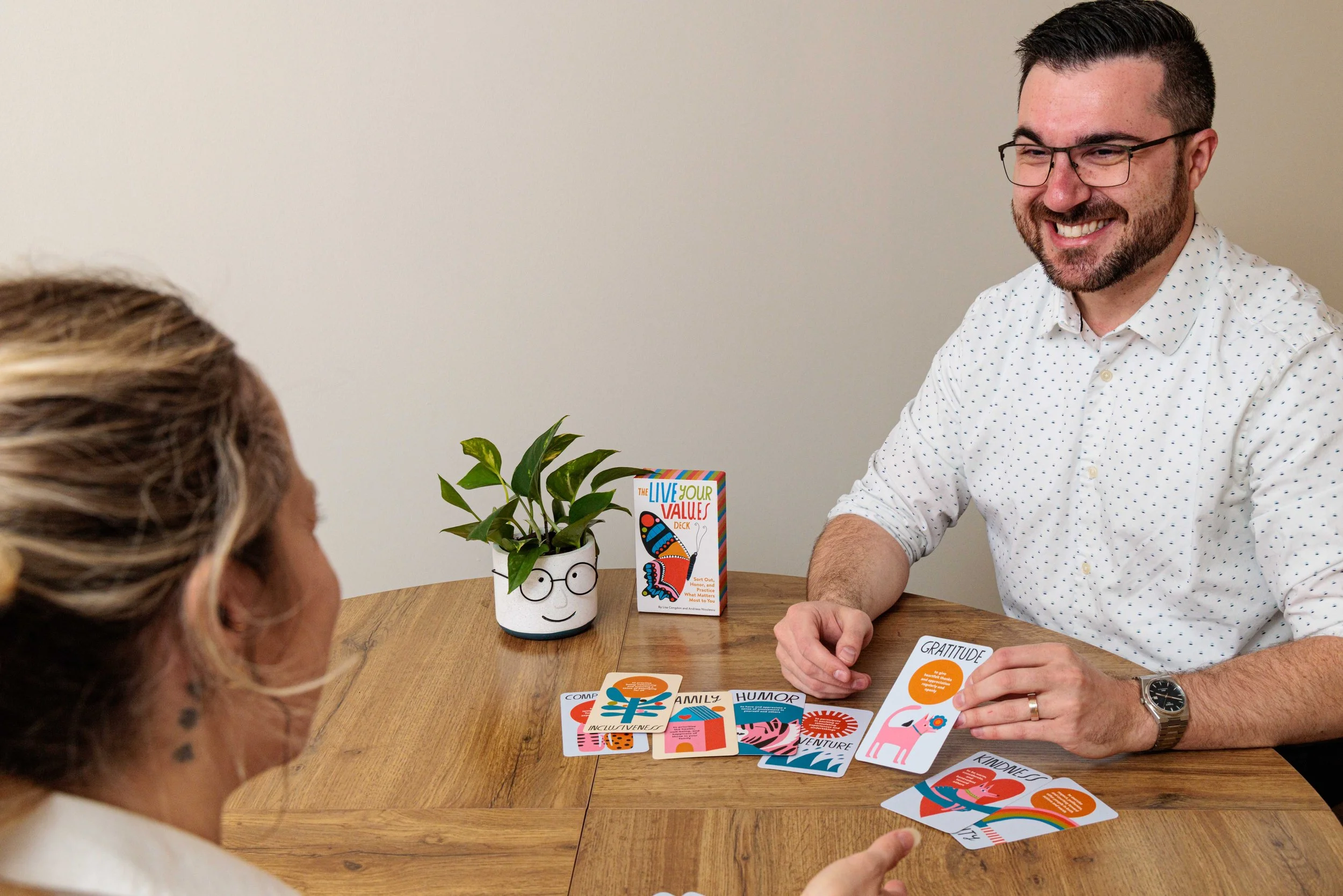
Have you ever been told to “suck it up” and “be a man” ?
Perhaps the following statements resonate with you...
“I just keep arguing with my partner all the time and we’re rarely on the same page”
“I have so much stress and anxiety, it just never seems to go away”
“I’m ashamed of my weight and have a hard time looking at myself in the mirror”
“I’ve lost confidence in myself and can’t seem to do anything right”
“I just want to be happy again”
Men’s mental health can often go unnoticed because struggles don’t always look the way we expect them to. Sometimes, the ways we cope seem to work… until they don’t. But just because your struggles aren’t always visible doesn’t mean they’re any less important.
You are allowed to feel it.
You are allowed to speak it.
You don’t have to carry it all alone.

What’s Holding Men Back?
Several barriers can make men hesitant to start or continue therapy (Knox et al., 2023; Shepherd et al., 2023):
Difficulty building a connection with a therapist
Social stigma around seeking mental health support
Limited understanding of mental health
Lack of promotional materials focused on men’s mental health
Lack of male therapists
High cost of therapy
Traditional masculine socialization can have a significant influence on men’s lives. Masculine socialization involves learning and internalizing expectations from others about what it means to be masculine, which can shape men’s values, attitudes, and behaviours (Shepherd et al., 2023).
Think of the stereotypical “tough guy.” The one who prides himself on being self-sufficient and emotionally strong. Traditional expectations of masculinity often suggest that this is what it means to be a man. But what happens when the pressure to maintain this image becomes too much?
For some men, these expectations can make it difficult to express their emotions, show vulnerability, or seek support when they need it. Asking for help may feel like going against who they believe they’re supposed to be.
Men’s Mental Health
How do stereotypes, expectations, and stigma affect men’s mental health?
Over time, these pressures can lead some men to (Knox et al., 2023; Shepherd et al., 2023):
Try to manage their problems on their own
Mask their feelings and emotions
Avoid their mental health concerns until they become chronic
Unfortunately, men may delay seeking support until their mental health has significantly deteriorated. According to recent Canadian data, the suicide rate among men is nearly three times higher than among women (Government of Canada, 2026). A recent study involving 2,000 Canadian men found that seeking mental health support remains a significant barrier. Although 64% of these men reported moderate-to-high stress, 67% had never sought mental health services (MenTELL Health, 2026). This means that only about 33% of men are seeking out mental health support.
It’s time to shift the old school thinking that seeking mental health support is a sign of weakness.
Strength lies within a strong body, a strong mind, and a strong sense of purpose.
Therapy for Men
Starting psychotherapy can be one of the most meaningful steps you take toward feeling better. It offers a safe, non-judgmental space where you can drop your shield and be vulnerable. You can express the thoughts, feelings, and emotions you may have been bottling up. And over time, you may learn what the best version of yourself looks like and work toward living a life you’re proud of.
Men may seek therapy for a variety of reasons, including:
Challenges managing symptoms of ADHD
Addictions with social media, phone use, porn, alcohol, or other substances
Relationship difficulties with their partner, which may include communication and intimacy challenges
Childhood trauma, particularly from other male figures in their life
Body image and self-esteem issues, such as balding, weight gain, or erectile dysfunction
Starting therapy doesn't make you weak or any less of a man.
It makes you a stronger one.
Having a Male Therapist
When choosing a therapist, what matters most is finding someone you feel comfortable opening up to. Whether you prefer a male or female therapist, the choice of therapist is entirely yours.
Some men prefer female therapists because they associate them with comforting qualities such as warmth and empathy (Seidler et al., 2022). Others prefer male therapists because they feel they can relate more easily to another man and may be more comfortable discussing certain experiences.
Although you may come across more female therapists, anyone can benefit from working with a male therapist, especially men. Having a therapist who understands similar masculine pressures and helps you make sense of what you're experiencing through a practical, grounded approach can help you feel more comfortable opening up and building a trusting therapeutic relationship.
A reflective approach to therapy that also recognizes the social and cultural influences shaping men’s experiences can help men explore their vulnerabilities, better understand their emotions, and express themselves in ways they felt they couldn’t in the past.
A good therapist will meet you where you are and support you at your own pace.
Being a Man Can Be Hard Sometimes...But You Don’t Have To Struggle Alone
It’s okay to ask for help.
It takes strength to recognize when something isn’t working and when you need support. Your feelings matter, and it’s okay to express them.
As a male therapist, I thoroughly enjoy working with men and helping my clients process their emotions in a safe, supportive space where they can let their guard down and be vulnerable. For some, therapy can be the first time they’ve openly shared their thoughts and feelings with someone. That can feel uncomfortable or even scary at first. But over time, many begin to feel “like a weight has been lifted.” They feel more comfortable expressing themselves and gain a better understanding of their emotions.
It’s been so rewarding to see my clients make progress, gain new insights, and take steps toward better mental health.
And sometimes, all it takes is the reminder that: “You showed up. And that matters.”
You don’t have to figure everything out on your own.
If you or someone you love is struggling, remember that support is available and there is strength in reaching out.
Looking for extra support?
Sometimes, you need a space where you can simply be yourself, let go of the pressure to keep it all together, and talk openly without judgment.
At Cup of Tea Psychotherapy, you don’t need to have all the answers. We offer a compassionate, confidential space to explore what’s beneath the noise, work through the expectations you’ve been carrying, and develop practical tools to build confidence in your decisions, health, and relationships. Learn more about our therapy for men services in Ottawa and virtually across Ontario.
If you’re considering therapy but aren’t sure where to start, why not reach out for a free consultation. We can talk about what you’re going through and explore how we can best support you.
—Blog post written by Dylan Franklin, Registered Psychotherapist (Qualifying) at Cup of Tea Psychotherapy
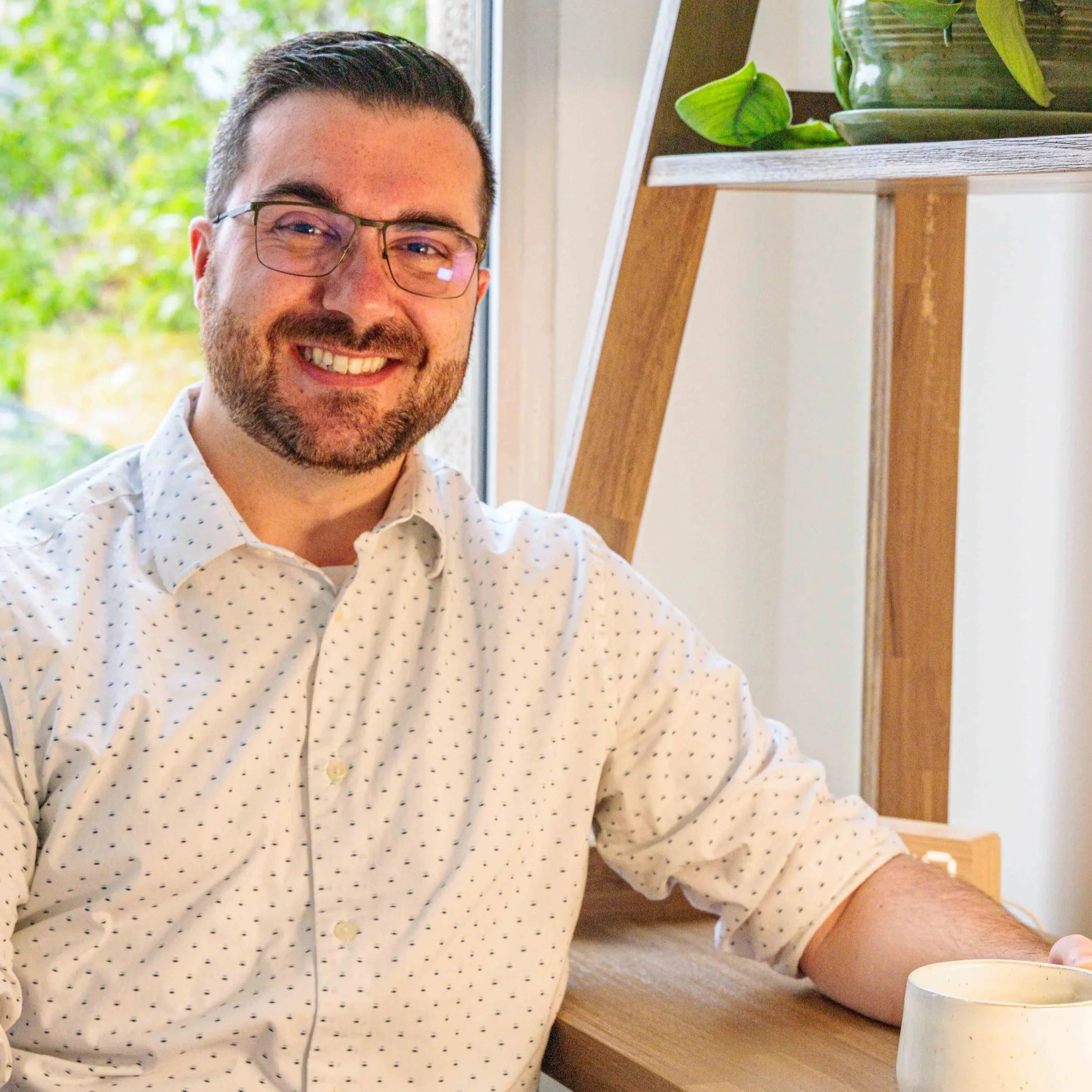
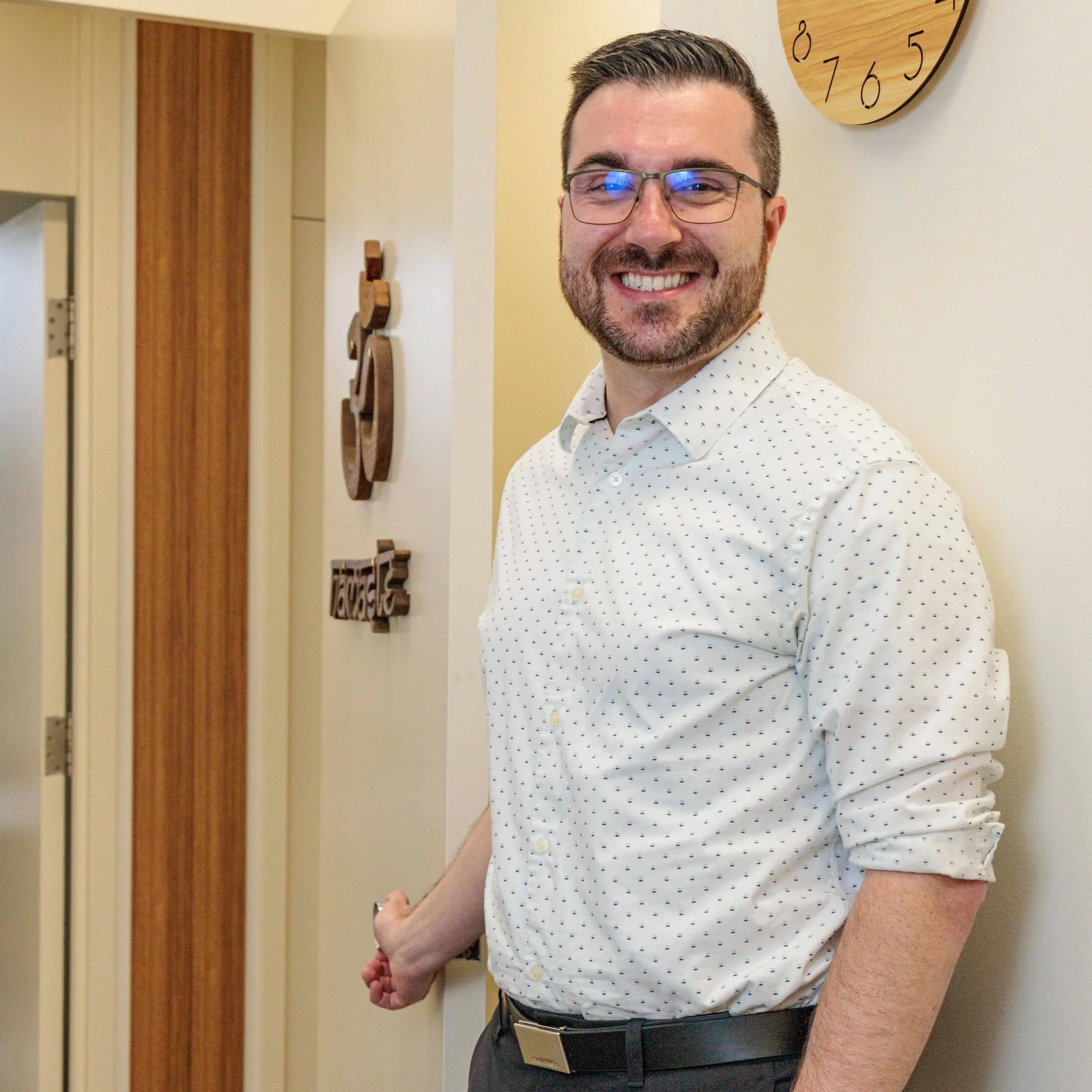
About Dylan
Dylan is a Registered Psychotherapist (Qualifying) at Cup of Tea Psychotherapy. He works with adults (18+) and older adults (60+) experiencing grief, relationship challenges, trauma, ADHD, anxiety/depression, men’s issues, and more. By providing a warm, compassionate, and non-judgmental space, Dylan helps clients feel heard and seen so that they can live a meaningful and healthy life.
References
Knox, J., Morgan, P., Kay-Lambkin, F., Wilson, J., Wallis, K., Mallise, C., Barclay, B., & Young, M. (2023). Male involvement in randomised trials testing psychotherapy or behavioural interventions for depression: A scoping review. Current Psychology, 42(34), 30322–30337. https://doi.org/10.1007/s12144-022-04017-7
MenTELL Health. (2026). Men’s mental health statistics in Canada. https://mentell.ca/mens-mental-health-statistics-in-canada-2025-understanding-the-crisis/
Public Health Agency of Canada. (2026). Suicide, self-harm and suicide-related behaviours in Canada: Suicide mortality. https://health-infobase.canada.ca/mental-health/suicide-self-harm/suicide-mortality.html
Seidler, Z. E., Wilson, M. J., Kealy, D., Oliffe, J. L., Ogrodniczuk, J. S., & Rice, S. M. (2022). Men’s preferences for therapist gender: Predictors and impact on satisfaction with therapy. Counselling Psychology Quarterly, 35(1), 173–189. https://doi.org/10.1080/09515070.2021.1940866
Shepherd, G., Astbury, E., Cooper, A., Dobrzynska, W., Goddard, E., Murphy, H., & Whitley, A. (2023). The challenges preventing men from seeking counselling or psychotherapy. Mental Health & Prevention, 31, 200287. https://doi.org/10.1016/j.mhp.2023.200287