
Struggling with Return-to-Office Burnout? Ottawa's Lakes and Rivers May Help

One of the beautiful things about living in Ottawa is that we're surrounded by water.
There is a shift in the air. Do you feel it, too?
As the autumn season settles in Ottawa, tens of thousands of federal public servants, provincial staff, and municipal employees, embark on a challenging transition as expanded return-to-office (RTO) mandates fully take effect, accompanied by busy bus routes, heavy traffic on the Queensway, and therapy couches filled with clients sharing the collective stress.
For the past few years, hybrid flexibility allowed thousands to build sustainable, nourishing routines. Time saved from commutes was used to focus on wellness and family. Adjusting to a multi-day-a-week office schedule means abruptly rewriting those lives. This is not a calendar update; this is a complete loss of flexibility for daily habits relied on to avoid burnout.
As therapists, we see an alarming rise in chronic stress, burnout, anxiety, mood dysregulation, and adjustment fatigue. Change is inherently taxing, especially when accompanied by a sudden loss of autonomy over our time.
So, what can we do when change is out of our control?

What if we told you to go to the water?
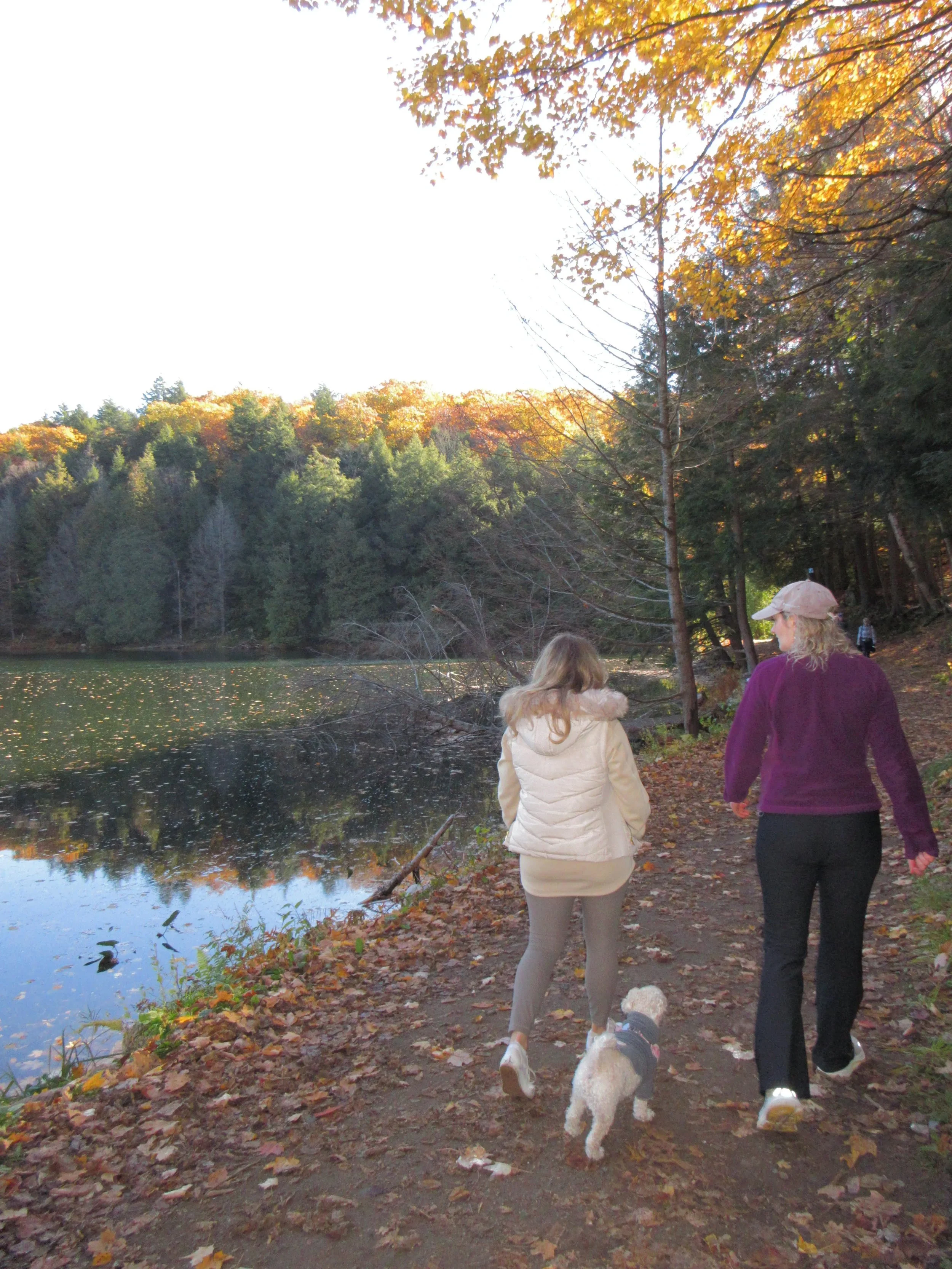
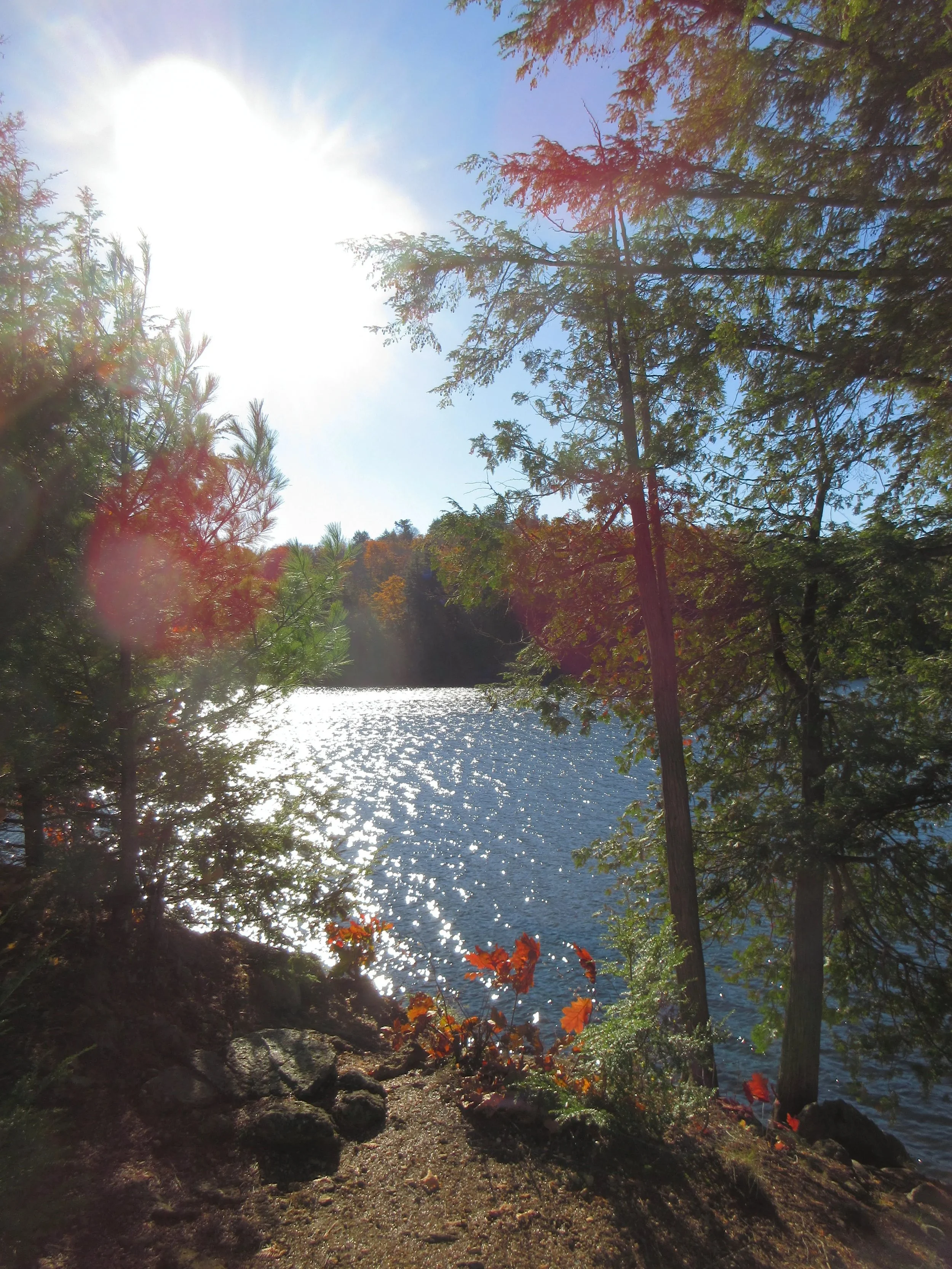
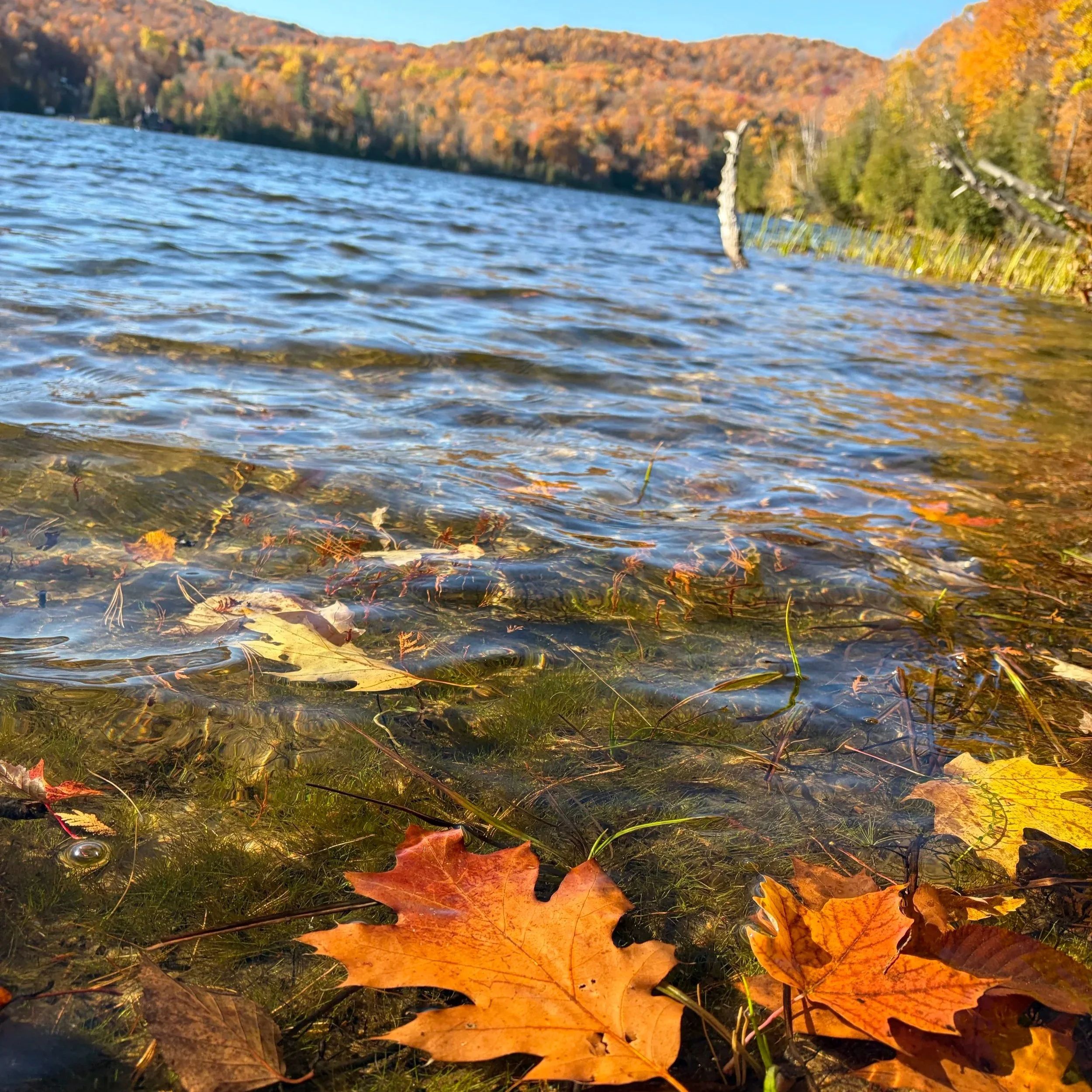
How fortunate are we to live in a city with an abundance of a natural, highly accessible resource that can act as a built-in buffer against the return-to-office (RTO) transition stress? Ottawa’s beloved waterways.
There is a well-documented body of psychological research centered on what marine biologist Wallace J. Nichols termed "Blue Mind". The science demonstrates that being near, on, or looking at water can effortlessly shift your brain from stress to relaxation.
In a busy, tech-driven city, we spend much of the day in a state of high stress. Think: continuous stream of emails, traffic stops, and office interruptions. We call this "Red Mind”. Over time, chronic stress can make it difficult to regulate emotions, handle daily pressure, and make healthy decisions.
By contrast, blue spaces offer a gentle reset for your mind, body, and heart. Studies show that proximity to water can reduce stress hormones, stabilize heart rate, and support overall emotional regulation. Water provides what environmental psychologists call "soft fascination": a calming visual background that captures our attention just enough to let our overtaxed minds rest.
Ottawa is uniquely positioned to benefit from Blue Mind.
Our city is organically shaped by water, with the Rideau Canal, the Ottawa River, and the Rideau River cutting directly through our major employment hubs. Which blue space is beside your office building?
We think of a stroll along Britannia Beach as a weekend luxury, but what if you viewed Blue Mind breaks as your new daily non-negotiable self-care practice?
If you are struggling with the RTO transition, start by being present.
Step away from your desk at lunchtime and find a blue space. A brief walk to the Ottawa River locks or a few quiet minutes by Patterson Creek can make a difference.
Be kind to yourself. Adjusting to change takes time. If your morning commute is frustrating, leave a few minutes early to sit near the Canal. Don't look at your phone; just watch the water ripple. Blue spaces can help decompress before and after work.
You can also practice mindfulness over a cold glass of water at your desk, listen to water soundscapes, or keep images of water landscapes on your devices. When you arrive home, intentionally wash your hands or let the water wash away the day’s stress in the shower, and focus on loving your family.
By using water as self-care, you can make better decisions for your evening and your life.
Public institutions may control where your desk is, but you are the one with the power to choose how fiercely and lovingly you care for yourself.

Looking for Extra support?
Is the return-to-office transition affecting your mental health, well-being, or work-life balance? At Cup of Tea Psychotherapy, our team is here to help you find practical, compassionate ways to manage stress, build resilience, and reconnect with what helps you feel grounded.
You don’t have to navigate the stress of change alone. We invite you to reach out to explore how therapy can support you through life’s transitions and help you build everyday practices that make space for calm, clarity, and connection through the restorative benefits of Blue Mind.
Curious about the science behind water and well-being? Explore our socials to learn more about the science of Blue Mind, including our World Blue Mind Day post on Instagram. Follow along at @cupofteapsychotherapy for more reflections, insights, and resources to support your mental health and well-being.
“What if the conversation we have about water and our wellbeing was the most important conversation we were to have?” – Dr. Wallace J. Nichols.
—Blog post written by Chantal Riel, Registered Psychotherapist and founder of Cup of Tea Psychotherapy




About Chantal
Chantal Riel is a Registered Psychotherapist, Clinical Director, Clinical Supervisor, and founder of Cup of Tea Psychotherapy. She works with adults navigating a broad range of life challenges, from everyday stressors to more complex life experiences, providing holistic, evidence-based, and trauma-informed care. Chantal supports her clients in cultivating an embodied, kind, and compassionate relationship with themselves and the world around them. Her approach is collaborative, creating a therapy space where clients are welcomed as their authentic, whole selves. She also thoughtfully integrates cultural and spiritual or religious dimensions into therapy when they are meaningful to the journey of her clients.

References
Nichols, W. J. (2024). Blue mind: The surprising science that shows how being near, in, on, or under water can make you happier, healthier, more connected, and better at what you do (10th ed.). Little, Brown And Company.